Contact us for timely diagnosis, expert guidance, and compassionate heart care.
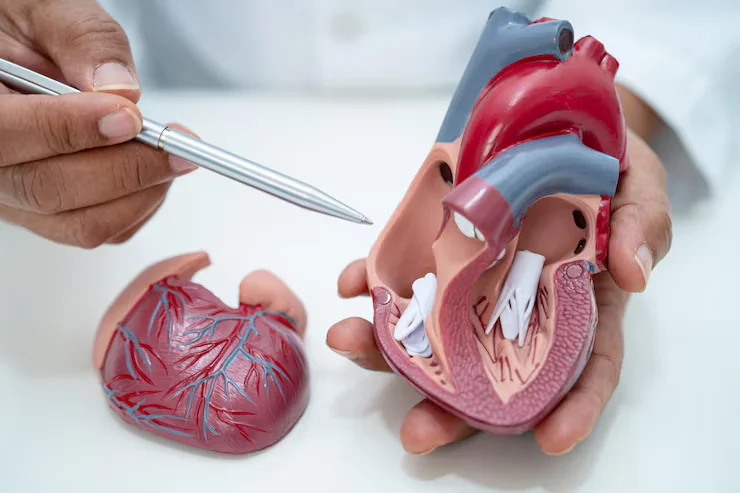
Heart valve disease refers to conditions in which one or more of the heart’s valves do not function properly, affecting normal blood flow through the heart. Under the expert care of Dr. Vinodh Kumar K, patients with valve disorders receive comprehensive evaluation and personalized management using advanced diagnostic tools and evidence-based treatment strategies.
Healthy heart valves ensure smooth, one-directional blood flow with every heartbeat. When a valve becomes narrowed, leaky, or fails to open and close effectively, it can place extra strain on the heart and lead to symptoms such as breathlessness, fatigue, chest discomfort, or heart failure. Early diagnosis and appropriate treatment are essential to protect long-term heart function.
The heart has four valves—the mitral, aortic, tricuspid, and pulmonary valves—that regulate blood flow between chambers and to the rest of the body. Valve disease occurs when these valves become:
Stenotic (narrowed, restricting blood flow)
Regurgitant (leaky, allowing blood to flow backward)
Valve disease may develop gradually due to age-related degeneration or suddenly due to infection or heart damage. Some individuals may remain symptom-free in early stages, making regular cardiac evaluation crucial for timely detection.
Evaluation of heart valve disease focuses on identifying the affected valve, determining severity, and assessing the impact on heart chambers and overall function. Dr. Vinodh Kumar K uses a systematic approach to evaluate symptoms, clinical findings, and diagnostic test results to guide optimal treatment decisions.
Early evaluation helps prevent complications such as heart failure, arrhythmias, stroke, and irreversible heart muscle damage.
Heart valve disease may include:
Aortic stenosis and aortic regurgitation
Mitral valve prolapse and mitral regurgitation
Mitral stenosis
Tricuspid and pulmonary valve disorders
Congenital valve abnormalities
Rheumatic heart valve disease
Valve damage due to infection (endocarditis)
Valve disorders may coexist with hypertension, coronary artery disease, cardiomyopathy, or rhythm abnormalities.
Medical evaluation is recommended if you experience symptoms such as breathlessness during activity or at rest, swelling of legs or ankles, fatigue, palpitations, dizziness, or chest pain. Worsening symptoms or sudden onset of breathlessness require prompt medical attention.
Individuals with a history of rheumatic fever, heart murmurs, previous valve disease, or a family history of valve disorders should undergo regular cardiac follow-up even in the absence of symptoms.
Care under Dr. Vinodh Kumar K includes detailed clinical assessment and advanced diagnostic testing such as echocardiography, Doppler studies, ECG, and additional imaging when required. The severity and progression of valve disease are closely monitored.
Treatment may include medical therapy to relieve symptoms and reduce heart strain, lifestyle modification, or referral for advanced interventional or surgical valve procedures when indicated. Patients receive clear explanations and ongoing guidance to ensure informed decision-making and optimal outcomes.
Expertise in diagnosis and longitudinal management of valve disorders
Advanced echocardiographic evaluation and monitoring
Evidence-based treatment planning
Focus on early detection and prevention of complications
Clear patient communication and education
Access to comprehensive cardiac and interventional services
Dr. Vinodh Kumar K offers comprehensive care for heart valve disease with a strong emphasis on accurate diagnosis, timely intervention, and long-term heart protection. Early management can slow disease progression, relieve symptoms, and significantly improve quality of life.
Healthy valves keep the heart moving forward—expert care ensures lasting heart health.
Habitant augue molestie felis purus platea mollis mauris lectus cursus. Siverra scelerisque commodo sem nisi sed vitae in neque volutpat.