Contact us for timely diagnosis, expert guidance, and compassionate heart care.
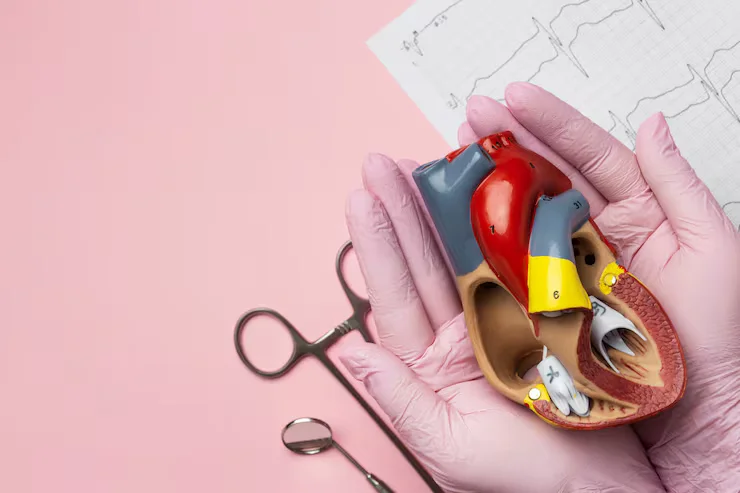
Transcatheter Valve Replacement Interventions—including Transcatheter Aortic Valve Implantation (TAVI) and Transcatheter Mitral Valve Replacement (TMVR)—are advanced, minimally invasive procedures used to treat severe heart valve disease in patients who are high risk for open-heart surgery. Under the expert care of Dr. Vinodh Kumar K, these interventions are carefully planned and executed using evidence-based protocols to ensure safety, precision, and optimal outcomes.
TAVI and TMVR have transformed the management of valvular heart disease by offering effective treatment with faster recovery, reduced hospital stay, and improved quality of life for selected patients.
Heart valves regulate one-directional blood flow through the heart. When valves become severely narrowed (stenosis) or leaky (regurgitation), the heart must work harder, leading to symptoms such as breathlessness, chest pain, fatigue, and heart failure.
TAVI is used primarily to treat severe aortic stenosis, where a new valve is implanted via a catheter without opening the chest.
TMVR is an advanced option for selected patients with severe mitral valve disease who are not suitable for conventional surgery or repair.
Both procedures are performed through blood vessels, typically from the groin, avoiding the need for open-heart surgery.
The primary goal of TAVI and TMVR is to restore normal valve function, improve blood flow, relieve symptoms, and reduce the risk of heart failure and sudden cardiac events. Dr. Vinodh Kumar K evaluates patients carefully to determine suitability for transcatheter valve therapy based on valve anatomy, heart function, overall health, and surgical risk.
These procedures provide a life-improving and often life-saving option for patients who otherwise have limited treatment choices.
Transcatheter valve replacement may be recommended for patients with:
Severe symptomatic aortic stenosis
Degenerative or functional mitral valve disease
Heart failure related to valve dysfunction
High or prohibitive risk for open-heart surgery
Recurrent valve disease after prior surgery
Each patient undergoes comprehensive evaluation to ensure the most appropriate and effective intervention.
TAVI or TMVR is considered in patients who experience:
Progressive breathlessness or reduced exercise tolerance
Chest pain or fainting related to valve disease
Recurrent heart failure admissions
Poor quality of life despite medical therapy
High surgical risk due to age or comorbidities
Early referral for evaluation helps prevent irreversible heart damage and improves long-term outcomes.
Care under Dr. Vinodh Kumar K includes detailed clinical assessment and advanced imaging such as echocardiography, CT evaluation, and functional testing to assess valve anatomy and procedural feasibility.
Patients receive clear counseling regarding benefits, risks, and expected outcomes. Post-procedure care focuses on recovery, medication optimization, rhythm monitoring, and long-term valve function surveillance to ensure durable results.
Expertise in structural heart disease evaluation
Evidence-based patient selection for TAVI and TMVR
Multidisciplinary, patient-centered care approach
Focus on safety, precision, and long-term outcomes
Clear communication and shared decision-making
Access to comprehensive advanced cardiac services
Dr. Vinodh Kumar K offers expert evaluation and guidance for patients requiring transcatheter valve replacement interventions. With a focus on minimally invasive solutions, early intervention, and personalized care, he helps patients regain heart function and quality of life.
Advanced valve therapy without open surgery—modern solutions for complex heart valve disease.