Contact us for timely diagnosis, expert guidance, and compassionate heart care.
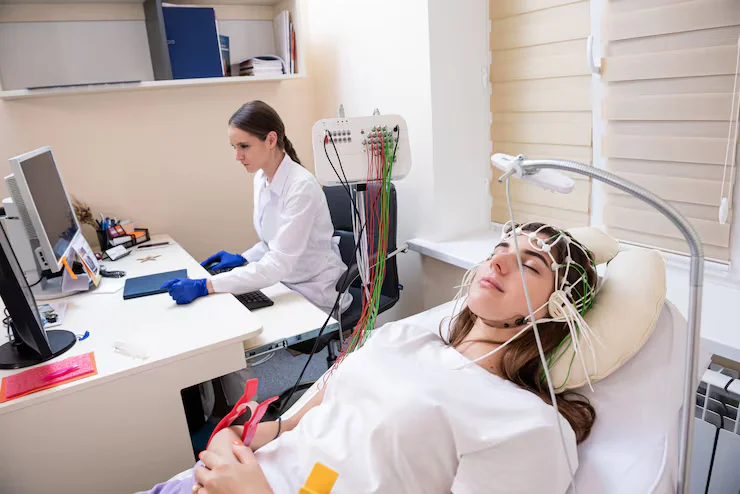
Dobutamine Stress Echocardiography (DSE) is an advanced cardiac diagnostic test used to evaluate how the heart functions under stress when a patient is unable to perform physical exercise. Under the expert supervision of Dr. Vinodh Kumar K, this test is conducted using high-resolution echocardiography and standardized clinical protocols to ensure safe, accurate, and reliable assessment of heart function.
Dobutamine Stress Echo plays a crucial role in detecting coronary artery disease, assessing heart muscle viability, and evaluating the heart’s response to increased workload. It provides valuable information for diagnosis, risk assessment, and treatment planning in patients with suspected or known heart disease.
The heart’s ability to increase blood flow during stress is essential for meeting the body’s demands. Any limitation in this response may indicate underlying blockages or weakened heart muscle. Dobutamine Stress Echocardiography helps identify such abnormalities early, enabling timely and effective cardiac care.
Dobutamine Stress Echocardiography uses a medication called dobutamine to safely stimulate the heart, mimicking the effects of physical exercise. As the heart rate and workload increase, echocardiographic images are recorded to assess heart muscle movement, pumping strength, and blood supply.
Dr. Vinodh Kumar K commonly recommends this test for patients who cannot perform treadmill or bicycle stress tests due to joint problems, neurological conditions, advanced age, or other physical limitations.
The procedure is non-invasive, carefully monitored, and performed in a controlled medical setting, making it a reliable alternative to exercise stress testing.
Dobutamine Stress Echocardiography is used to diagnose and assess several cardiac conditions, including:
Coronary artery disease (blockages in heart arteries)
Reduced blood supply to heart muscle (ischemia)
Previous heart attack and heart muscle viability
Left ventricular function and contractility
Risk stratification before major surgeries
Assessment of treatment effectiveness in known heart disease
Based on the test results, Dr. Vinodh Kumar K may advise further investigations such as coronary angiography, cardiac CT, or initiate appropriate medical or interventional treatment.
This test is recommended for patients with symptoms such as chest pain, breathlessness on exertion, unexplained fatigue, or abnormal ECG findings, especially when routine exercise stress testing is not feasible.
Dobutamine Stress Echo is also advised for individuals with known coronary artery disease, patients being evaluated before non-cardiac surgery, and those requiring assessment of heart muscle viability after a heart attack.
Dobutamine Stress Echocardiography under Dr. Vinodh Kumar K is performed in a well-equipped, patient-safe environment with continuous monitoring of heart rate, blood pressure, ECG, and oxygen levels.
The test involves baseline echocardiographic imaging, gradual administration of dobutamine, and repeated imaging at different stress levels. The procedure is closely supervised to ensure patient safety and comfort at every stage.
After completion, the results are carefully analyzed and clearly explained to the patient, along with personalized recommendations for further evaluation or treatment if required.
Advanced stress echocardiography systems
Expertise in pharmacological stress testing
Strict safety protocols and continuous monitoring
Accurate, evidence-based interpretation
Strong focus on early diagnosis and risk prevention
Clear patient guidance and comprehensive cardiac care
Dr. Vinodh Kumar K provides safe and accurate Dobutamine Stress Echocardiography as part of his comprehensive cardiology services. With a commitment to precision, patient safety, and early detection of heart disease, he helps patients make informed decisions for long-term heart health.
Early detection under stress can prevent future cardiac events—making Dobutamine Stress Echocardiography a vital tool in modern heart care.