Contact us for timely diagnosis, expert guidance, and compassionate heart care.
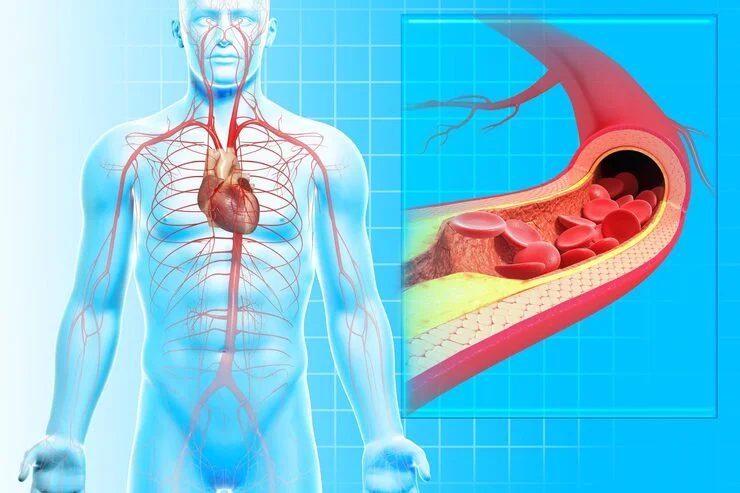
Complex Coronary Angioplasty involves advanced percutaneous coronary intervention (PCI) techniques to treat highly challenging coronary artery blockages that carry increased procedural risk and technical complexity. Under the expert care of Dr. Vinodh Kumar K, these procedures are meticulously planned and executed using state-of-the-art technology, refined techniques, and evidence-based strategies to achieve safe and durable outcomes.
Such interventions are often the best alternative to bypass surgery for selected patients with advanced coronary artery disease.
Certain coronary blockages are considered complex due to their location, extent, or plaque characteristics. These lesions significantly impair blood flow to large areas of the heart and require specialized expertise and tools for successful treatment.
Complex coronary angioplasty focuses on restoring blood flow while minimizing complications and preserving long-term vessel patency.
The left main coronary artery supplies blood to a major portion of the heart. Disease at its bifurcation—where it divides into two critical branches—poses a high risk for heart attack and heart failure.
Angioplasty in this region requires precise strategy, advanced stenting techniques, and meticulous execution to ensure adequate blood flow to both branches and long-term safety.
A CTO refers to a coronary artery that has been completely blocked for more than three months. These blockages are often hard, fibrotic, and difficult to cross with standard equipment.
CTO angioplasty uses specialized wires, catheters, and techniques to reopen long-standing blockages, improving blood flow, relieving angina, and enhancing heart function.
Calcified coronary lesions contain hardened calcium deposits that make artery expansion and stent placement challenging.
Advanced plaque-modification techniques are used to prepare these arteries safely, allowing optimal stent expansion and reducing the risk of complications or restenosis.
The primary goals of complex coronary angioplasty are to:
Restore blood flow in high-risk or technically difficult blockages
Relieve severe or refractory angina
Improve heart function and quality of life
Reduce the risk of heart attack and heart failure
Avoid or delay coronary bypass surgery when feasible
Dr. Vinodh Kumar K recommends complex PCI only after thorough evaluation and when the expected benefits outweigh procedural risks.
Complex angioplasty may be advised when patients have:
Significant left main coronary artery disease
Long-standing total coronary blockages
Severe calcification limiting standard PCI success
Persistent symptoms despite optimal medical therapy
High surgical risk or preference to avoid open surgery
Failed prior angioplasty
Early referral to an experienced interventional cardiologist is crucial for optimal outcomes.
Care under Dr. Vinodh Kumar K begins with detailed clinical and angiographic assessment, careful risk stratification, and individualized procedural planning. Each case is approached with a tailored strategy to ensure procedural success and patient safety.
Post-procedure care includes optimized medical therapy, lifestyle guidance, and structured follow-up to maintain long-term vessel patency and prevent recurrence.
Expertise in high-risk and advanced coronary interventions
Experience in left main, CTO, and calcified lesion PCI
Use of cutting-edge interventional technologies
Evidence-based, patient-specific treatment planning
Strong focus on procedural safety and long-term outcomes
Clear communication and comprehensive post-procedure care
Dr. Vinodh Kumar K offers advanced solutions for patients with complex coronary artery disease, including left main bifurcation lesions, chronic total occlusions, and heavily calcified arteries. With expert technique, precision planning, and patient-centered care, complex coronary angioplasty can restore heart blood flow and significantly improve outcomes.
When coronary disease is complex, experience and expertise make all the difference.