Contact us for timely diagnosis, expert guidance, and compassionate heart care.
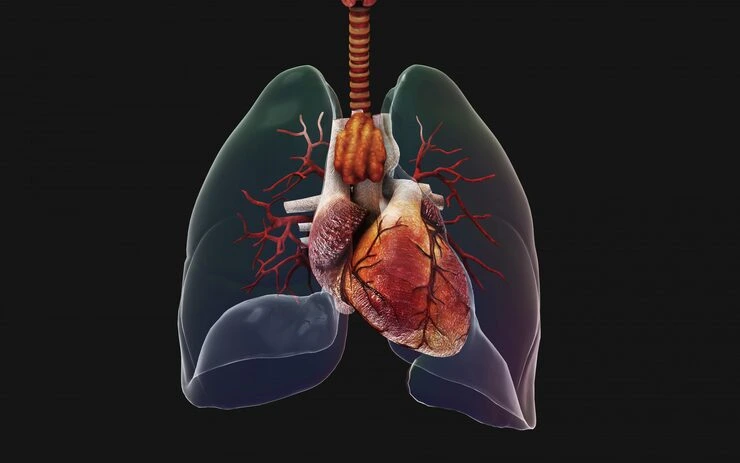
Pulmonary Embolism (PE) and Deep Vein Thrombosis (DVT) are serious and potentially life-threatening conditions caused by abnormal blood clot formation. Under the expert care of Dr. Vinodh Kumar K, patients with suspected or confirmed PE and DVT receive rapid evaluation, evidence-based treatment, and close monitoring to prevent complications and ensure safe recovery.
DVT usually begins as a blood clot in the deep veins of the legs. If part of this clot breaks off and travels to the lungs, it can block blood flow, resulting in a pulmonary embolism. Early diagnosis and prompt treatment are critical to saving lives and preventing long-term complications.
Blood clots form when blood flow slows down or becomes abnormal. In DVT, clots typically develop in the deep veins of the legs or pelvis, causing pain, swelling, warmth, and redness.
Pulmonary embolism occurs when a clot travels to the lungs, obstructing blood flow and reducing oxygen levels in the body. PE can range from mild to severe and may rapidly become life-threatening if not treated immediately.
The evaluation of DVT and pulmonary embolism aims to confirm the presence of blood clots, assess severity, and determine the risk of complications. Dr. Vinodh Kumar K follows a structured and urgent diagnostic approach to ensure timely treatment.
Early diagnosis significantly reduces the risk of sudden collapse, heart strain, long-term lung damage, and recurrence.
Pulmonary embolism and DVT may be associated with:
Prolonged immobility or long-distance travel
Recent surgery or hospitalization
Cancer and chemotherapy
Pregnancy and postpartum period
Obesity and smoking
Hormonal therapy or oral contraceptives
Genetic clotting disorders
Heart failure or severe infections
In some cases, clots may develop without obvious risk factors, making expert evaluation essential.
Symptoms of DVT may include:
Swelling of one leg
Pain or tenderness in the calf or thigh
Warmth or redness over the affected area
Symptoms of Pulmonary Embolism may include:
Sudden shortness of breath
Chest pain that worsens with breathing
Rapid heart rate
Cough or coughing up blood
Dizziness or fainting
Any suspicion of PE requires immediate medical attention.
Management under Dr. Vinodh Kumar K includes rapid clinical assessment and appropriate diagnostic tests such as blood tests, ECG, echocardiography, ultrasound of leg veins, and advanced imaging when required.
Treatment focuses on preventing clot growth and new clot formation using anticoagulant (blood-thinning) medications. In severe cases, advanced therapies may be required. Long-term management includes risk factor control, medication monitoring, and preventive strategies to reduce recurrence.
Patients receive clear explanations, safety guidance, and structured follow-up for optimal recovery.
Expertise in diagnosing and managing thromboembolic disorders
Rapid, evidence-based treatment approach
Strong focus on patient safety and complication prevention
Integrated cardiac and vascular evaluation
Clear patient communication and long-term follow-up
Access to advanced diagnostic and treatment facilities
Dr. Vinodh Kumar K provides expert care for pulmonary embolism and deep vein thrombosis with an emphasis on early detection, prompt treatment, and long-term prevention. Timely medical attention can be lifesaving and prevent serious complications.
Blood clots are medical emergencies—early recognition and expert care save lives.