Contact us for timely diagnosis, expert guidance, and compassionate heart care.
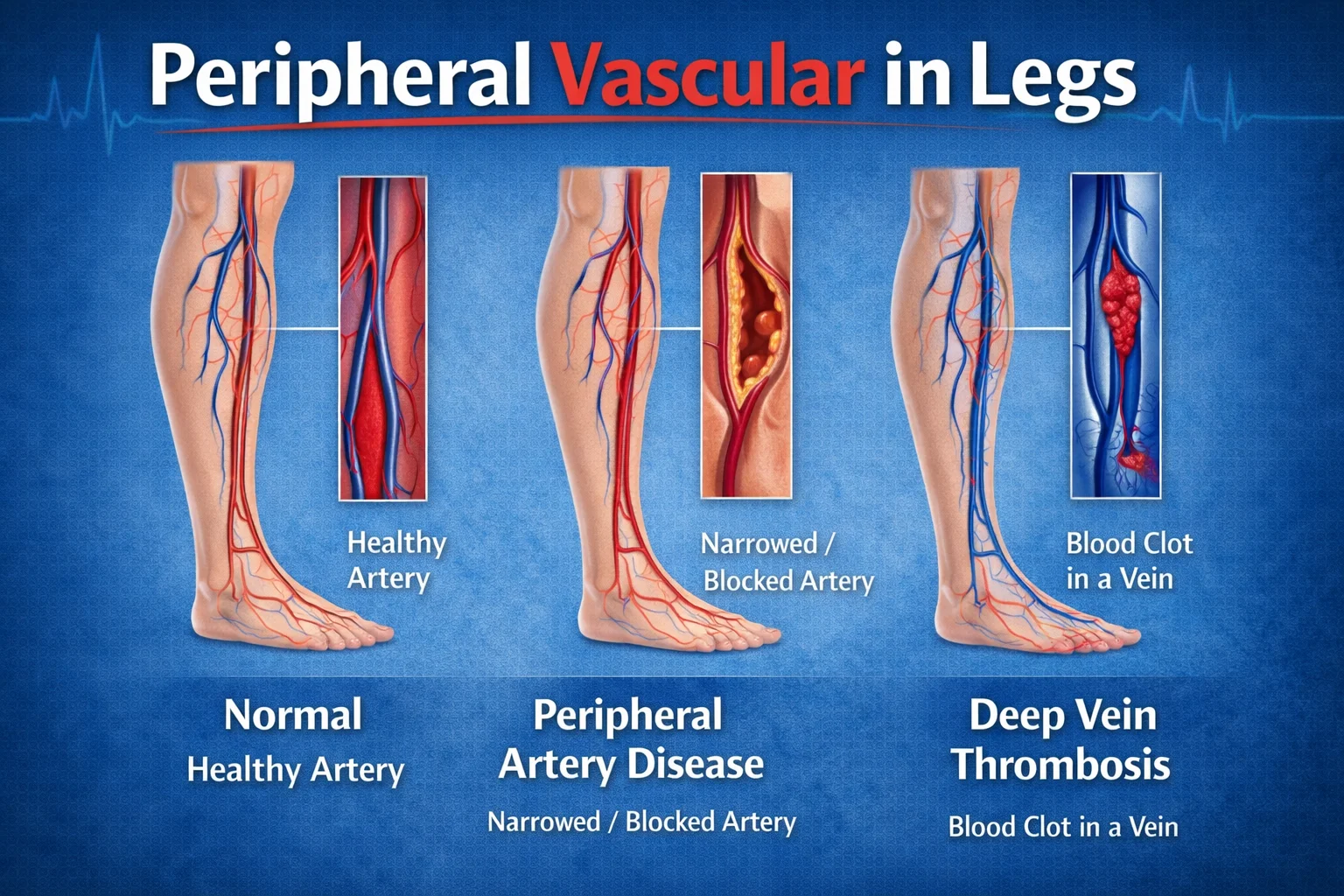
Peripheral Vascular Disease (PVD) refers to disorders of blood vessels outside the heart and brain, most commonly affecting the arteries and veins of the legs. Under the expert care of Dr. Vinodh Kumar K, patients with peripheral vascular conditions receive comprehensive evaluation and personalized management using advanced diagnostic tools and evidence-based treatment strategies.
Peripheral vascular disease often develops due to narrowing or blockage of blood vessels, leading to reduced blood flow to the limbs. Early diagnosis and appropriate treatment are essential to relieve symptoms, prevent complications, and preserve limb health.
Peripheral vascular disease usually results from atherosclerosis, a process in which cholesterol and plaque build up in blood vessel walls. This reduces blood flow, especially during activity, and can cause pain, fatigue, or tissue damage.
PVD may involve:
Peripheral Artery Disease (PAD) – affecting arteries supplying the legs
Peripheral Venous Disorders – involving veins and circulation issues
The condition often progresses gradually and may remain unnoticed in early stages, making timely screening crucial.
The evaluation of peripheral vascular disease focuses on identifying the location and severity of blood vessel involvement and assessing overall cardiovascular risk. Dr. Vinodh Kumar K follows a structured diagnostic approach to differentiate vascular causes from other musculoskeletal or neurological conditions.
Early evaluation helps prevent serious complications such as non-healing wounds, infections, limb ischemia, and increased risk of heart attack or stroke.
Peripheral vascular conditions may include:
Peripheral artery disease (PAD)
Intermittent claudication (leg pain while walking)
Critical limb ischemia
Deep vein thrombosis and venous insufficiency
Non-healing leg or foot ulcers
Coldness or color changes in limbs
Risk factors include diabetes, smoking, high blood pressure, high cholesterol, obesity, and advanced age.
Common symptoms include:
Leg pain or cramping during walking or exercise
Numbness, weakness, or heaviness in the legs
Cold feet or toes
Skin discoloration or shiny skin
Slow-healing wounds or ulcers
Reduced hair growth on legs
Worsening symptoms or sudden pain require prompt medical evaluation.
Care under Dr. Vinodh Kumar K includes detailed clinical assessment and appropriate investigations such as vascular examination, blood pressure comparison, imaging studies, and cardiovascular risk evaluation.
Management focuses on lifestyle modification, medical therapy to improve circulation and reduce risk factors, and coordination with advanced vascular services when required. Long-term follow-up ensures symptom control, prevention of progression, and overall cardiovascular protection.
Expertise in diagnosis and management of vascular disorders
Comprehensive cardiovascular and vascular risk assessment
Evidence-based, patient-centered treatment approach
Focus on limb preservation and complication prevention
Clear patient communication and education
Access to integrated cardiac and vascular care services
Dr. Vinodh Kumar K offers expert evaluation and management of peripheral vascular disease with a strong emphasis on early detection, effective treatment, and long-term vascular health. Timely care can significantly improve mobility, prevent complications, and enhance quality of life.
Healthy circulation is vital for active living—early vascular care makes a lasting difference.