Contact us for timely diagnosis, expert guidance, and compassionate heart care.
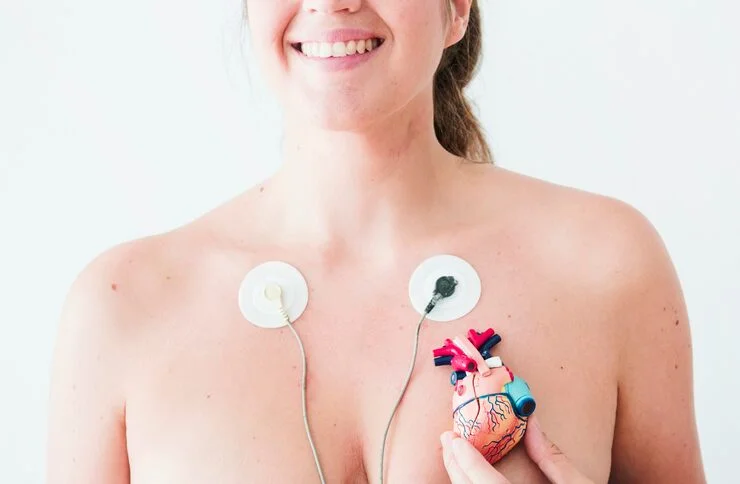
An Implantable Cardioverter–Defibrillator (ICD) is a life-saving cardiac device designed to detect and treat dangerous heart rhythm disorders that can lead to sudden cardiac arrest. Under the expert care of Dr. Vinodh Kumar K, ICD therapy is recommended and managed using evidence-based guidelines to provide maximum protection for patients at high risk of life-threatening arrhythmias.
ICDs continuously monitor heart rhythm and automatically deliver electrical therapy when abnormal rhythms are detected, restoring a normal heartbeat within seconds. This technology has significantly improved survival and long-term outcomes in high-risk cardiac patients.
The heart’s electrical system controls its rhythm. In certain conditions, this system can malfunction, causing ventricular tachycardia or ventricular fibrillation—rapid, chaotic rhythms that can stop the heart from pumping effectively.
An ICD is a small device implanted under the skin, usually below the collarbone, with leads connected to the heart. It constantly monitors heart rhythm and can:
Deliver a shock to stop dangerous rhythms
Provide pacing therapy to correct abnormal heart rates
Prevent sudden cardiac death
The primary goal of ICD therapy is to prevent sudden cardiac death in patients who are at high risk of life-threatening ventricular arrhythmias. Dr. Vinodh Kumar K carefully evaluates patients to determine whether ICD implantation is appropriate based on heart function, medical history, and risk profile.
ICDs may be recommended as:
Primary prevention – before a life-threatening rhythm occurs
Secondary prevention – after surviving cardiac arrest or dangerous arrhythmias
ICDs are commonly advised for patients with:
Previous cardiac arrest or ventricular arrhythmias
Severe heart failure with reduced ejection fraction
Cardiomyopathy (dilated or ischemic)
History of heart attack with weakened heart muscle
Inherited arrhythmia syndromes
High risk of sudden cardiac death
Each case is evaluated individually to ensure the greatest benefit and safety.
ICD therapy is considered in patients with:
Recurrent fainting due to arrhythmias
Documented life-threatening rhythm disturbances
Severely reduced heart pumping function
Family history of sudden cardiac death
High-risk findings on cardiac evaluation
Early identification and timely implantation can be lifesaving.
Care under Dr. Vinodh Kumar K includes detailed cardiac assessment using ECG, echocardiography, rhythm monitoring, and advanced imaging when required. Patients receive clear counseling about the benefits, risks, and long-term expectations of ICD therapy.
After implantation, regular follow-up ensures proper device function, battery monitoring, rhythm analysis, and adjustment of therapy when needed. Patients are guided on lifestyle, activity precautions, and ongoing heart care.
Expertise in arrhythmia risk assessment and device therapy
Evidence-based patient selection for ICD implantation
Comprehensive pre- and post-implantation care
Focus on sudden cardiac death prevention
Clear patient communication and long-term follow-up
Access to advanced cardiac diagnostic and interventional services
Dr. Vinodh Kumar K provides expert guidance and management for patients requiring implantable cardioverter–defibrillator therapy. With accurate risk assessment, timely intervention, and structured follow-up, ICDs offer powerful protection against life-threatening heart rhythm disorders.
When every heartbeat matters, ICD therapy can be truly life-saving.