Contact us for timely diagnosis, expert guidance, and compassionate heart care.
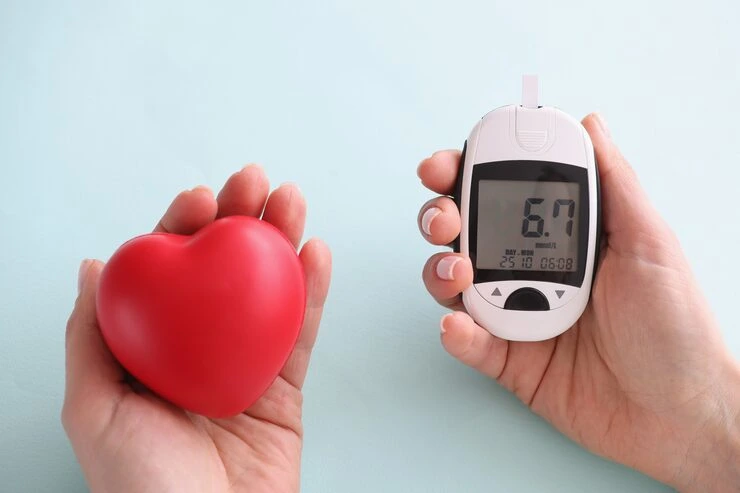
Cardio-diabetes refers to the close and bidirectional relationship between diabetes and heart disease, where each condition significantly increases the risk and severity of the other. Under the expert care of Dr. Vinodh Kumar K, patients with diabetes and associated cardiac risk receive comprehensive evaluation and integrated management focused on preventing complications and protecting long-term heart health.
People with diabetes are at a much higher risk of developing coronary artery disease, heart failure, stroke, and other cardiovascular conditions—often at a younger age and with fewer warning symptoms. Early identification and coordinated cardio-diabetes care are essential for reducing morbidity and mortality.
Diabetes affects blood vessels, nerves, and metabolism, leading to chronic inflammation and accelerated atherosclerosis (plaque buildup in arteries). Over time, high blood sugar levels damage the heart and blood vessels, increasing the risk of silent heart attacks, heart failure, and rhythm disorders.
Cardio-diabetes highlights the need to manage blood sugar and cardiovascular risk factors together, rather than treating them as separate conditions.
The goal of cardio-diabetes evaluation is to assess overall cardiovascular risk in individuals with diabetes and detect heart disease at an early, often silent stage. Dr. Vinodh Kumar K uses a structured approach that evaluates blood sugar control alongside heart function, vascular health, and metabolic risk factors.
Early and integrated assessment helps prevent heart attacks, strokes, heart failure, and other diabetes-related cardiac complications.
Cardio-diabetes may involve or lead to:
Coronary artery disease and heart attack
Heart failure (including diabetic cardiomyopathy)
Silent ischemia (reduced blood flow without chest pain)
High blood pressure
Abnormal cholesterol levels
Stroke and peripheral artery disease
Cardiac autonomic neuropathy
These conditions often progress faster and may present with fewer warning symptoms in people with diabetes.
Cardio-diabetes evaluation is recommended for all individuals with diabetes, especially those with long-standing disease, poor blood sugar control, obesity, smoking history, or a family history of heart disease.
It is also essential for patients experiencing symptoms such as breathlessness, fatigue, chest discomfort, palpitations, dizziness, or reduced exercise tolerance—even if symptoms appear mild.
Management under Dr. Vinodh Kumar K follows an integrated and preventive approach. This includes cardiovascular risk assessment, ECG, echocardiography, stress testing or other investigations when needed, along with optimization of blood sugar, blood pressure, and cholesterol levels.
Treatment plans focus on heart-protective medications, lifestyle modification, dietary guidance, weight management, and regular monitoring. Close coordination ensures that diabetes management actively supports cardiovascular protection.
Expertise in managing heart disease in diabetic patients
Integrated cardiovascular and metabolic risk assessment
Evidence-based, personalized treatment strategies
Strong focus on prevention of heart attacks and heart failure
Clear patient education and long-term follow-up
Access to comprehensive cardiology services
Dr. Vinodh Kumar K offers comprehensive cardio-diabetes care focused on early detection, risk reduction, and long-term heart protection. With proactive and integrated management, patients with diabetes can significantly lower their risk of serious cardiac complications.
Managing diabetes means protecting the heart—early cardio-diabetes care makes the difference.


Habitant augue molestie felis purus platea mollis mauris lectus cursus. Siverra scelerisque commodo sem nisi sed vitae in neque volutpat.