Contact us for timely diagnosis, expert guidance, and compassionate heart care.
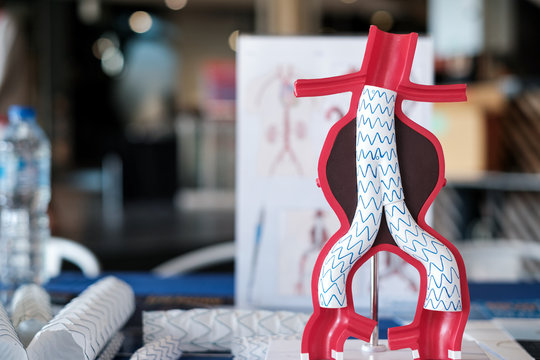
Endovascular Aneurysm Repair (EVAR) is a minimally invasive vascular procedure used to treat aortic aneurysms, particularly abdominal aortic aneurysms (AAA), by reinforcing the weakened artery wall and preventing rupture. Under the expert care of Dr. Vinodh Kumar K, EVAR is planned and managed using advanced imaging, precise technique, and evidence-based protocols to ensure safety and optimal long-term outcomes.
EVAR has revolutionized aneurysm treatment by offering an effective alternative to open surgery, especially for patients who are elderly or at high surgical risk.
An aortic aneurysm occurs when a portion of the aorta—the body’s main artery—becomes weakened and abnormally enlarged. Over time, the aneurysm may expand and rupture, leading to life-threatening internal bleeding.
EVAR involves placing a stent-graft inside the aneurysm through blood vessels, usually via small incisions in the groin. The graft reinforces the weakened section of the aorta, allowing blood to flow safely through the stent rather than pressing against the aneurysm wall.
The primary goal of EVAR is to prevent aneurysm rupture while minimizing surgical trauma and recovery time. Dr. Vinodh Kumar K recommends EVAR after careful evaluation of aneurysm size, growth rate, symptoms, and patient-specific risk factors.
By stabilizing the aneurysm, EVAR significantly reduces the risk of sudden rupture and improves survival and quality of life.
EVAR is commonly used to treat:
Abdominal aortic aneurysm (AAA)
Selected thoracic aortic aneurysms
Expanding or symptomatic aneurysms
High-risk aneurysm patients unsuitable for open surgery
Post-surgical or recurrent aneurysm complications
Patient selection is critical, and advanced imaging is used to confirm anatomical suitability for EVAR.
EVAR is considered when:
An aneurysm reaches a size associated with rupture risk
The aneurysm is growing rapidly
Symptoms such as abdominal or back pain occur
There is a high risk of rupture
The patient is at increased risk for open surgery due to age or comorbidities
Early detection and timely intervention are essential to prevent catastrophic complications.
Care under Dr. Vinodh Kumar K includes comprehensive vascular assessment using advanced imaging techniques to evaluate aneurysm anatomy and plan the procedure precisely.
Patients receive clear counseling about the benefits, risks, and long-term follow-up requirements. Post-procedure care includes regular imaging surveillance, medication optimization, and cardiovascular risk management to ensure graft stability and long-term success.
Expertise in advanced vascular and endovascular interventions
Evidence-based patient selection and procedural planning
Minimally invasive approach with faster recovery
Strong focus on safety and long-term outcomes
Clear patient communication and shared decision-making
Access to comprehensive cardiac and vascular care services
Dr. Vinodh Kumar K provides expert evaluation and guidance for patients requiring endovascular aneurysm repair. With a focus on minimally invasive treatment, early intervention, and long-term protection, EVAR offers a safe and effective solution for managing aortic aneurysms.
Preventing aneurysm rupture before it happens—EVAR saves lives through precision and innovation.
Habitant augue molestie felis purus platea mollis mauris lectus cursus. Siverra scelerisque commodo sem nisi sed vitae in neque volutpat.