Contact us for timely diagnosis, expert guidance, and compassionate heart care.
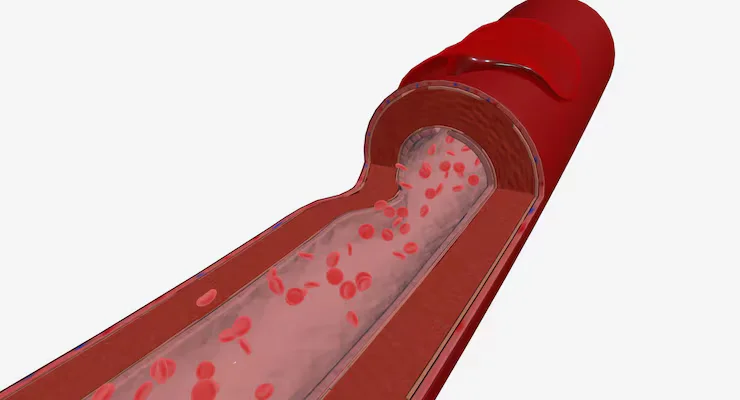
Catheter-Directed Thrombolysis (CDT) is an advanced, minimally invasive procedure used to dissolve large or high-risk blood clots in patients with Deep Vein Thrombosis (DVT) and Pulmonary Embolism (PE). Under the expert care of Dr. Vinodh Kumar K, CDT is performed using precise catheter-based techniques and evidence-based protocols to rapidly restore blood flow, reduce complications, and preserve long-term vascular and cardiopulmonary function.
This targeted therapy delivers clot-dissolving medication directly into the clot, allowing effective treatment with lower drug doses compared to systemic thrombolysis.
In DVT and PE, blood clots obstruct normal blood flow in veins or pulmonary arteries. Large or persistent clots can damage blood vessels, strain the heart, and increase the risk of long-term complications such as post-thrombotic syndrome or chronic thromboembolic pulmonary hypertension.
Catheter-directed thrombolysis involves inserting a thin catheter through a blood vessel and guiding it directly to the clot under imaging guidance. Thrombolytic medication is then delivered precisely at the clot site to dissolve it efficiently.
The primary goal of CDT is to rapidly reduce clot burden, restore blood flow, relieve symptoms, and prevent long-term complications. Dr. Vinodh Kumar K carefully evaluates patients to determine suitability for CDT based on clot size, location, symptom severity, and overall bleeding risk.
By targeting the clot directly, CDT minimizes systemic exposure to thrombolytic drugs and enhances safety.
CDT may be recommended for patients with:
Extensive or proximal deep vein thrombosis
Limb-threatening DVT with severe swelling or pain
High-risk or intermediate-risk pulmonary embolism
Evidence of right heart strain due to PE
Persistent symptoms despite anticoagulation
High clot burden with risk of long-term complications
Patient selection is critical to ensure safety and effectiveness.
CDT is considered when:
Rapid clot resolution is necessary
Standard anticoagulation alone is insufficient
There is significant limb or organ compromise
Risk of long-term disability is high
The patient is suitable for thrombolytic therapy
Early intervention improves outcomes and reduces complication rates.
Care under Dr. Vinodh Kumar K includes comprehensive clinical assessment, advanced imaging, and risk stratification before the procedure. During CDT, patients are closely monitored to ensure safety and effectiveness.
After treatment, ongoing care focuses on anticoagulation management, risk factor control, prevention of recurrence, and long-term follow-up to protect vascular and cardiac health.
Expertise in advanced thromboembolic interventions
Precision-based, minimally invasive treatment
Evidence-based patient selection and safety protocols
Focus on preventing long-term complications
Clear patient communication and shared decision-making
Access to comprehensive cardiac and vascular services
Dr. Vinodh Kumar K provides specialized care for patients requiring catheter-directed thrombolysis for DVT and pulmonary embolism. With timely intervention, precise technique, and structured follow-up, CDT can significantly improve recovery and long-term outcomes.
Targeted clot treatment saves lives and limbs—advanced therapy makes the difference.
Habitant augue molestie felis purus platea mollis mauris lectus cursus. Siverra scelerisque commodo sem nisi sed vitae in neque volutpat.