Contact us for timely diagnosis, expert guidance, and compassionate heart care.
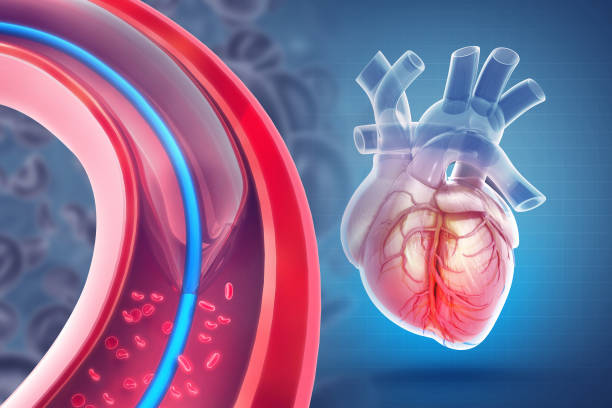
Peripheral vascular interventions are advanced, minimally invasive procedures used to restore blood flow in narrowed or blocked arteries supplying the brain, intestines, and upper limbs. Under the expert care of Dr. Vinodh Kumar K, these interventions are performed using state-of-the-art endovascular techniques and evidence-based protocols to ensure safety, precision, and durable outcomes.
By treating vascular blockages without open surgery, these procedures significantly reduce the risk of stroke, intestinal ischemia, limb ischemia, and long-term complications while allowing faster recovery.
Peripheral arteries can become narrowed due to atherosclerosis, inflammation, or prior vascular disease. Reduced blood flow to critical organs may cause serious and sometimes life-threatening complications.
Endovascular stenting involves inserting a catheter through a blood vessel (usually from the groin or arm), widening the narrowed artery with a balloon, and placing a stent to keep the vessel open and restore normal circulation.
The primary goals of these interventions are to:
Restore adequate blood flow to vital organs
Prevent stroke, bowel damage, and limb ischemia
Relieve symptoms and improve quality of life
Reduce the need for major open vascular surgery
Dr. Vinodh Kumar K carefully evaluates each patient to determine the most appropriate intervention based on anatomy, symptoms, and overall cardiovascular risk.
Carotid stenting is used to treat carotid artery stenosis, a major cause of stroke. Narrowing of the carotid arteries reduces blood flow to the brain and increases the risk of clot formation.
This procedure is recommended for patients with significant carotid narrowing who are at high risk for open surgery or have recurrent symptoms despite medical therapy.
Mesenteric artery stenting is performed to treat mesenteric ischemia, where blood flow to the intestines is compromised due to arterial narrowing.
Stenting helps relieve post-meal abdominal pain, improve nutrition, prevent bowel damage, and reduce the risk of life-threatening intestinal ischemia.
Subclavian artery stenting is used to treat narrowing of the artery supplying blood to the arms and, in some cases, the brain.
This intervention helps relieve arm pain, dizziness, blood pressure differences between arms, and neurological symptoms caused by reduced blood flow.
These interventions may be advised for patients with:
Significant arterial narrowing causing symptoms
High risk of stroke or organ ischemia
Failure of medical therapy to control symptoms
Evidence of reduced blood flow on imaging studies
High surgical risk due to age or medical conditions
Early intervention prevents irreversible organ damage and serious complications.
Care under Dr. Vinodh Kumar K includes detailed vascular and cardiovascular assessment using advanced imaging and functional evaluation. Each procedure is planned meticulously to ensure optimal stent placement and long-term vessel patency.
Patients receive clear counseling about the procedure, benefits, risks, and post-intervention care. Long-term follow-up focuses on medication optimization, risk factor control, and surveillance to prevent recurrence.
Expertise in advanced endovascular and vascular interventions
Evidence-based patient selection and procedural planning
Minimally invasive techniques with faster recovery
Strong focus on stroke and organ ischemia prevention
Clear patient communication and shared decision-making
Access to comprehensive cardiac and vascular care services
Dr. Vinodh Kumar K provides expert evaluation and management for patients requiring peripheral vascular stenting procedures. With a focus on precision, safety, and long-term vascular health, these advanced interventions offer effective solutions for complex vascular disease.
Restoring blood flow without open surgery—advanced vascular care that protects vital organs and lives.
Habitant augue molestie felis purus platea mollis mauris lectus cursus. Siverra scelerisque commodo sem nisi sed vitae in neque volutpat.